11 May 2026
As winter fades and the days begin to stretch out, spring is the perfect time to give your riding arena some well-deserved attention. Months of rain, frost and heavy use can take their toll on even the best-built surfaces.
A simple spring arena check can make a big difference. By taking the time to inspect, refresh and repair key areas now, you can ensure your arena remains safe, consistent and enjoyable to ride on throughout the months ahead.
Whether your arena is used daily for schooling, occasionally for leisure riding, or as part of a professional training yard, a seasonal reset helps protect your investment and keeps your facilities performing as they should.
Why Spring is the Ideal Time for Arena Maintenance
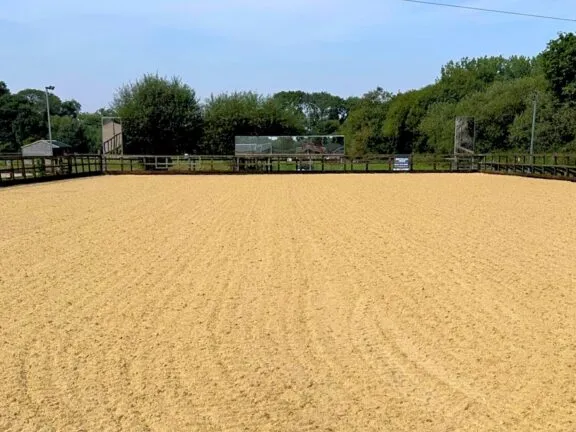
Winter can be tough on equestrian surfaces. Persistent rainfall saturates the ground, frost can disturb surface layers, and repeated riding in wet conditions can cause materials to shift and compact more than you might expect.
Shorter daylight hours also means arena maintenance often drops down the priority list during the colder months. As a result, minor issues can quietly build up over time.
Spring provides the perfect opportunity to catch up.
Regular maintenance extends the life of your arena. Catching problems early, whether that’s an uneven surface, drainage issues or damaged fencing, prevents them from developing into more costly repairs later.
Start with a Surface Inspection
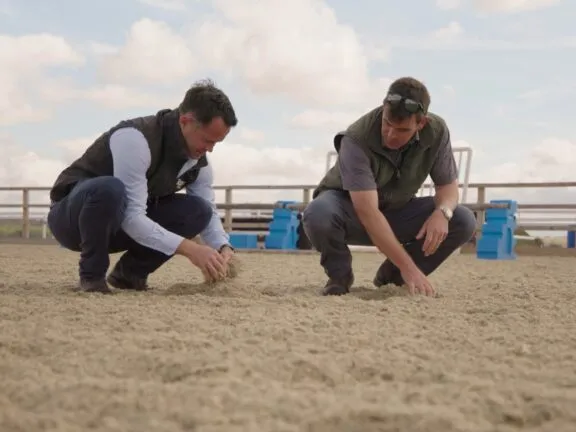
The riding surface should always be the first thing you check. Winter weather and regular use can gradually cause surface materials to move, compact or settle unevenly.
Take a walk across the arena and pay attention to how the surface feels underfoot. Even subtle differences can indicate areas that need attention.
Look out for: uneven patches or ridges; areas where the surface feels harder than usual; sections where the surface depth appears reduced; and build-up of material along the fence line.
These issues often occur along the outer track where horses travel most frequently, or in corners where turning forces push material outward.
If you notice uneven areas, levelling the surface should be the first step. Regular arena grooming redistributes the material and restores a consistent riding depth.
Check Surface Depth
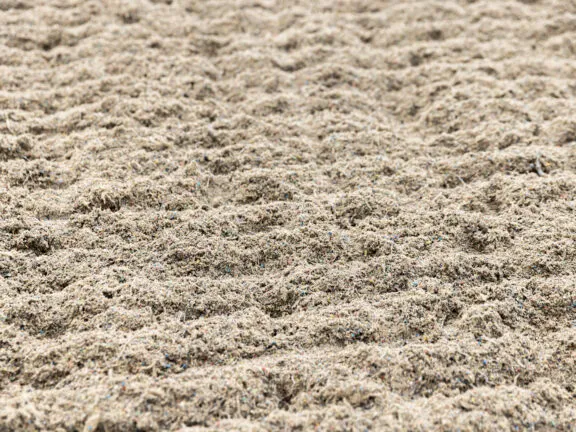
Surface depth plays a major role in how an arena performs. If the surface becomes too shallow, horses can begin to feel the harder base layer underneath, increasing concussion and strain on joints. If it becomes too deep, the footing can feel unstable and tiring for horses to work in.
Most arena surfaces perform best at around 125–150mm in depth, although this can vary depending on the specific surface material used. A quick depth check using a dibber or a garden fork across several areas of the arena can reveal whether the material is still distributed evenly. Try measuring in the centre of the arena, along the outer track, in the corners, and areas used frequently for schooling
If there are noticeable variations, redistributing the surface material through levelling or grooming should help restore consistency. If you wish to alter the going, you can do so by adjusting the height of the tines on your arena grader. To increase or decrease, do so 1cm at a time over multiple passes, taking care not to damage the membrane.
TOMLEY TIP
Redistributing and Levelling Your Surface
If there are noticeable variations, redistributing the surface material through levelling or grooming should help restore consistency. If you wish to alter the going, you can do so by adjusting the height of the tines on your arena grader. To increase or decrease, do so 1cm at a time over multiple passes, taking care not to damage the membrane.
For more arena maintenance tips, download our Arena Maintenance Guide.
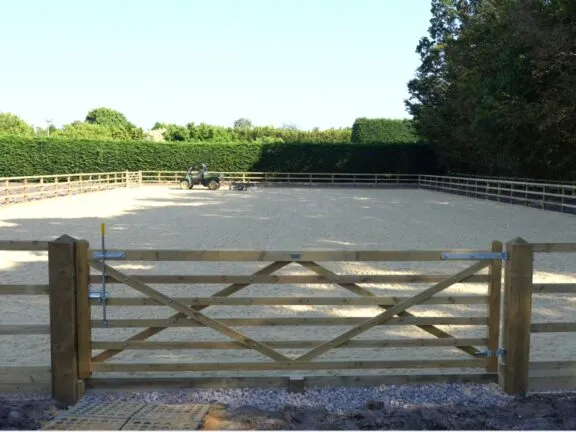
Assess Drainage Performance
Drainage is one of the most important components of any riding arena. After a wet winter, it’s worth taking the time to check that your drainage system is still working efficiently.
Following rainfall, observe how the arena behaves. Ideally, water should move through the surface quickly and not remain on the surface for extended periods.
Signs of potential drainage issues include standing water or puddles, soft or saturated patches, or slower drying times than usual
Sometimes these problems are simply caused by compacted surface layers that need loosening. In other cases, underlying drainage issues may be the cause. Identifying problems early can help avoid larger structural issues developing over time.
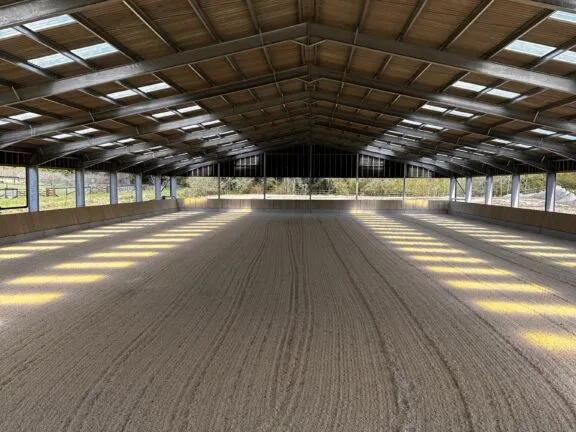
Check Your Irrigation System
While winter is usually associated with excess water, irrigation becomes increasingly important as the weather warms up. Spring is the ideal time to make sure your watering system is ready before dry conditions arrive.
Maintaining the correct moisture level in an arena surface helps control dust, improve stability and preserve the surface materials.
If your arena uses sprinklers, water cannons, bowsers or an Ebb and Flow irrigation system, run the system and check that everything is operating correctly.
Check that your irrigation is providing even coverage across the surface, and that pumps, nozzles and sprinkler heads are functioning correctly, free from any leaks or blockages.
A reliable irrigation system not only improves ride quality but also helps extend the lifespan of the surface.
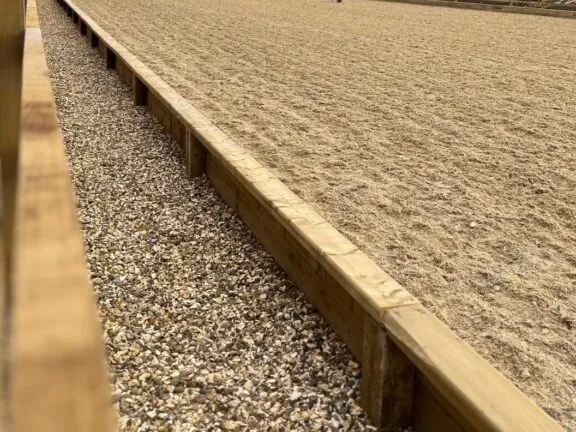
Inspect the Arena Edges and Kickboards
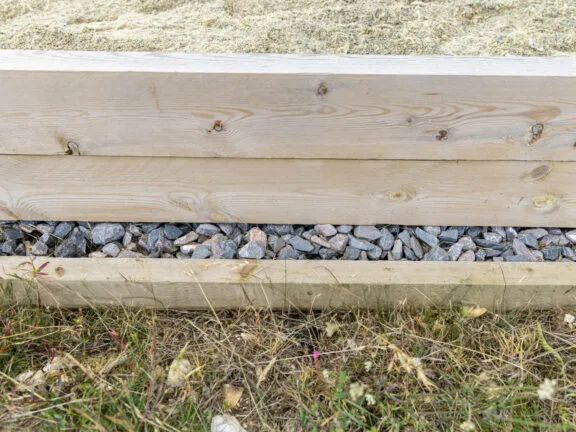
The edges of the arena often experience the most wear. Horses travelling along the track naturally push surface material towards the fence line, where it can build up against kickboards.
Over time this can leave the centre of the arena slightly shallower while excess material accumulates around the edges.
During your inspection, check that kickboards are secure and undamaged, surface material has not built up excessively along the fence line, and there are no gaps where surface material is escaping
Redistributing built-up material back across the arena will help maintain an even surface depth and prevent unnecessary pressure on the fencing.
Damaged kickboards should be repaired promptly to maintain both safety and structure.
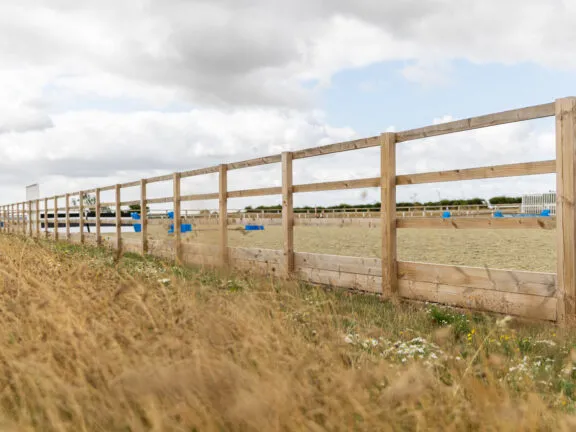
Check Arena Fencing
Arena fencing provides both safety and structure, so it’s worth taking the time to walk the perimeter and check that everything remains in good condition.
Winter weather can be particularly hard on timber fencing. Strong winds, wet ground and general wear can loosen fixings or cause posts to shift slightly.
Look out for loose boards or rails, leaning posts, signs of rot or weather damage, and broken fixings
Even small repairs are worth addressing quickly. A loose board today can easily become a bigger repair job if it’s left too long.
Check the Gate and Access Points
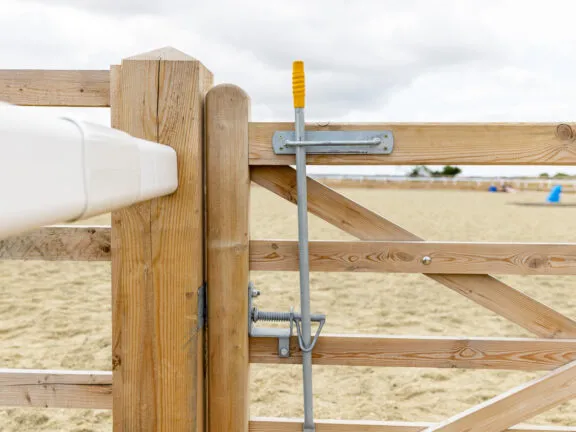
Arena gates are often used multiple times a day, which means they can gradually loosen or drop over time.
During your spring inspection, check that the gate opens and closes smoothly and sits properly on its hinges. Latches should be secure, and there should be no sharp edges or protruding fixings.
It’s also worth checking the ground around the entrance area. Winter rain can sometimes cause the surface around gates to soften or erode, which can affect how the gate hangs.
Ensuring the entrance area remains level and well surfaced will help prevent unnecessary wear and keep access safe.
Look Beyond the Arena Surface
While the arena itself is the main focus, the surrounding environment can also influence how well it performs.
Take a moment to check the areas immediately around the arena, including: drainage channels or ditches; banks or edges surrounding the arena; access tracks leading to the arena; and vegetation or debris near the fence line
Leaves, soil and debris can gradually build up over winter and interfere with drainage or surface cleanliness.
Keeping these areas tidy helps ensure water flows away from the arena properly and prevents contamination of the surface.
Renew, Repair, Ride
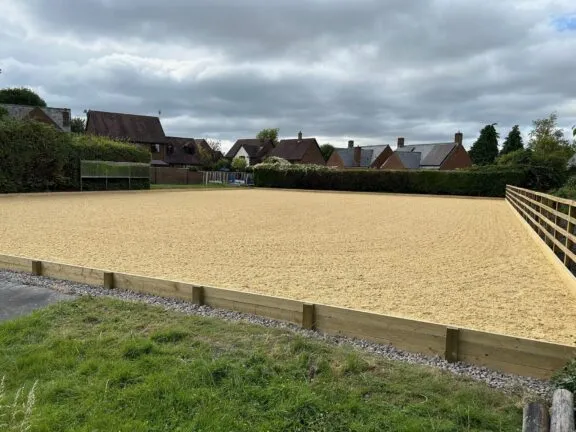
Spring is a natural time for renewal, and your riding arena is no exception.
By carrying out a simple seasonal inspection and addressing any issues left behind by winter, you can ensure your arena remains safe, consistent and enjoyable to ride on throughout the months ahead.
Levelling the surface, checking drainage and irrigation systems, inspecting fencing and maintaining access points all play a part in keeping your arena performing at its best.
With everything refreshed and ready for the season ahead, all that’s left to do is enjoy the ride.
"*" indicates required fields
More News
Posted 30 June 2026 in
Posted 7 April 2026 in Arenas , Equestrian